
Teeth whitening is a procedure used to lighten discoloration caused by coffee, tea, smoking and ageing. Being carried out under clinical supervision is important for protecting the health of the teeth and gums.
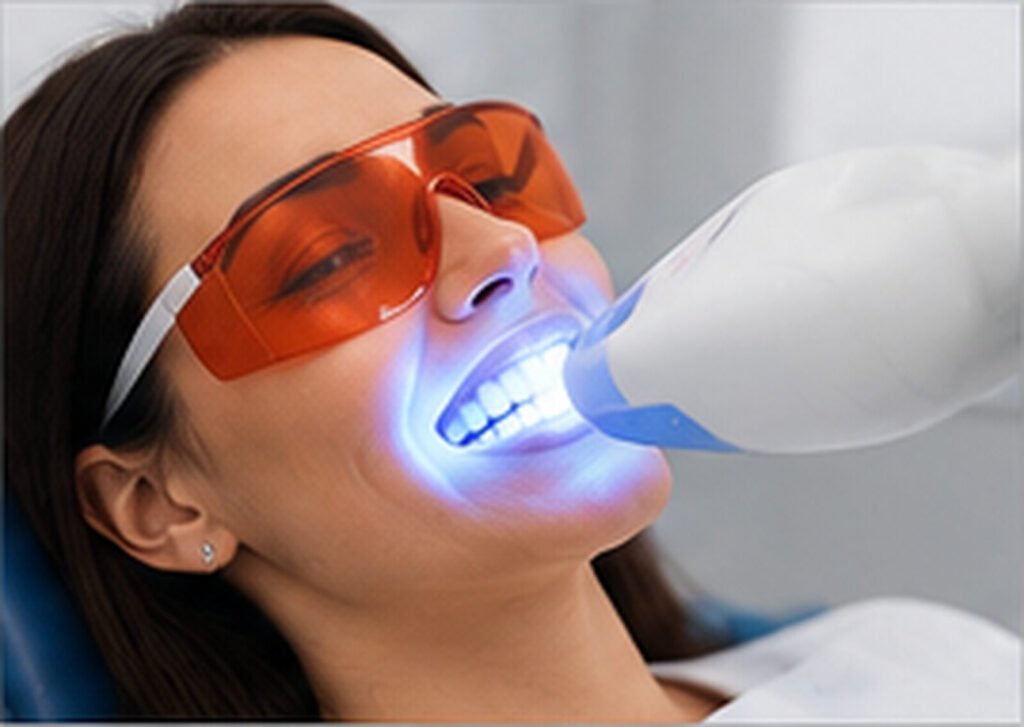
Methods
Whitening can be planned in different ways:
- In-office whitening under the dentist’s supervision
- A home method using a custom tray prepared by the dentist
- A combination of these methods
Assessment beforehand
Before whitening, the suitability of tooth and gum health is assessed. If there is decay, a gum problem or sensitivity, these are addressed first.
Safe application
Using a suitable product and technique under the dentist’s supervision helps manage possible sensitivity. Results can vary from person to person.
Frequently asked questions
Does whitening harm the teeth?
When done under suitable conditions and dentist supervision, the aim is to protect dental health; assessment is made by examination.
Will there be sensitivity?
Temporary sensitivity may occur; the dentist advises on how to manage it.
Are results permanent?
Dietary habits and care affect the result; renewal may be needed over time.
The cause of discolouration guides the method
When choosing a whitening approach, the source of the discolouration matters. Extrinsic staining from coffee, tea or smoking often responds to surface cleaning and whitening. Intrinsic discolouration — from trauma, root canal treatment or developmental causes — may call for different approaches such as internal bleaching or restorative options. This distinction is made at examination.
- Extrinsic staining linked to diet and habits
- Intrinsic discolouration from trauma or root treatment
- Natural colour change with age
In-clinic and take-home options
In-clinic treatment allows the gums to be protected and the process supervised. With the take-home approach, custom trays are made and the daily wear time is set by your dentist. In some cases the two are planned together.
Safety considerations
Decay, fractures, worn enamel and gum problems are assessed before whitening. Products used without dental assessment can irritate the gums and give unpredictable results. Existing fillings and crowns do not change shade, which is taken into account when planning.
Frequently asked questions
Does whitening damage enamel?
Supervised treatment at appropriate concentrations is not expected to cause lasting enamel damage. Uncontrolled, very frequent use can cause sensitivity and gum irritation.
Is it suitable during pregnancy?
Elective whitening is usually postponed during pregnancy and breastfeeding, with priority given to hygiene and preventive care.
See our teeth whitening page and read teeth whitening aftercare for what follows treatment. Further reading: World Health Organization oral health resources.
This article is for general information only and does not replace an examination, diagnosis or treatment by a dentist.