
Snoring Treatment
Snoring treatment with a custom-made oral appliance for snoring and mild sleep apnoea.
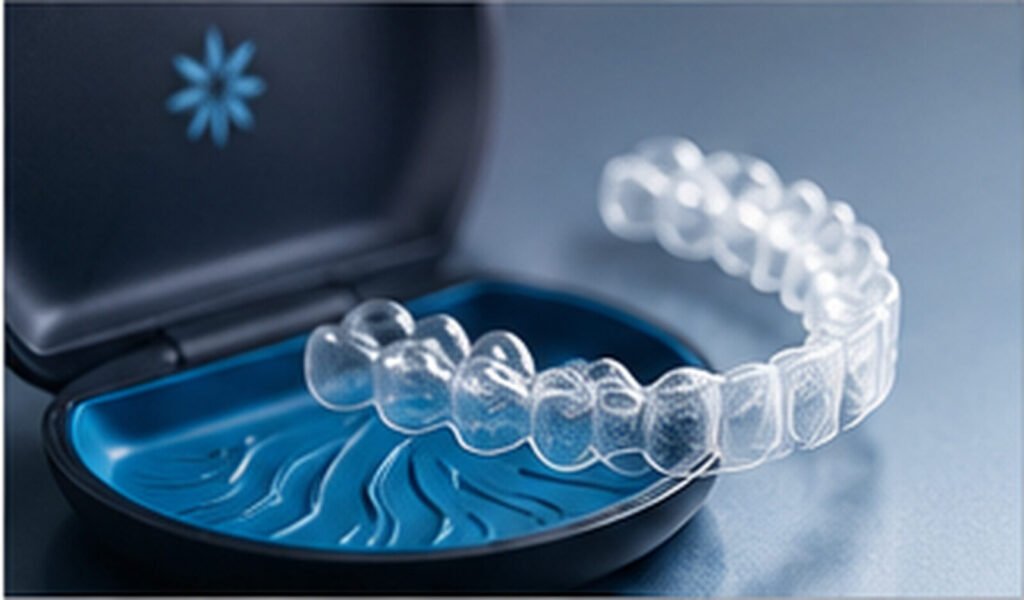
Sleep better, breathe easier
Snoring and mild obstructive sleep apnoea can often be improved with a custom oral appliance that gently positions the jaw to keep the airway open during sleep.
Benefits of oral appliance therapy
- Comfortable, custom-made and portable
- A non-surgical option for suitable patients
- Can improve sleep quality for you and your partner
Assessment first
We assess whether an oral appliance is right for you and, when needed, coordinate with sleep specialists. You receive clear guidance and written pricing before treatment.
Assessment before snoring treatment
Snoring can occur alongside obstructive sleep apnoea. For this reason, symptoms are reviewed in detail before an oral appliance is planned, and the results of a sleep study (polysomnography) are examined where appropriate. Where there is excessive daytime sleepiness, witnessed pauses in breathing or morning headaches, assessment is carried out in cooperation with the relevant medical specialties.
Adapting to the appliance and caring for it
With a custom-made appliance, mild pressure around the jaw and teeth is common in the first nights and usually decreases. The appliance should be cleaned each morning and stored as advised. At review appointments, the fit of the appliance, the bite and any change in symptoms are assessed, and adjustments are made when needed.
The role of daily habits
Weight change, alcohol intake, sleeping on the back and nasal congestion can all influence the severity of snoring. An oral appliance planned alongside advice on these factors offers a more complete approach. Treatment decisions and follow-up are always based on clinical assessment.
For general oral health information, see the World Health Organization resources.
Frequently asked questions
Is an oral appliance suitable for everyone?
No. Enough sound teeth, healthy gums and a suitable jaw joint are required. In moderate to severe sleep apnoea other treatments may take priority.
Can the appliance cause jaw joint pain?
Mild tightness may be felt initially. Persistent pain, a changed bite or locking should be reported and use paused until reviewed.
How does it differ from CPAP?
CPAP keeps the airway open with air pressure, whereas an oral appliance repositions the lower jaw. The right option depends on diagnosis and severity.
How is the appliance cleaned?
Rinsing and brushing after each use, with the cleaning solutions advised by your dentist. Hot water can deform the appliance.
How soon are results noticeable?
Some people notice a change within the first weeks. Effectiveness is assessed at review and, where indicated, with a repeat sleep study.
You may also be interested in
Book Snoring Treatment
Contact us for a free assessment and written treatment plan at our our clinic in Çankaya, Ankara.