
Veneers & Composite Bonding
Composite bonding and veneers that refine colour, shape and alignment with minimal tooth reduction.
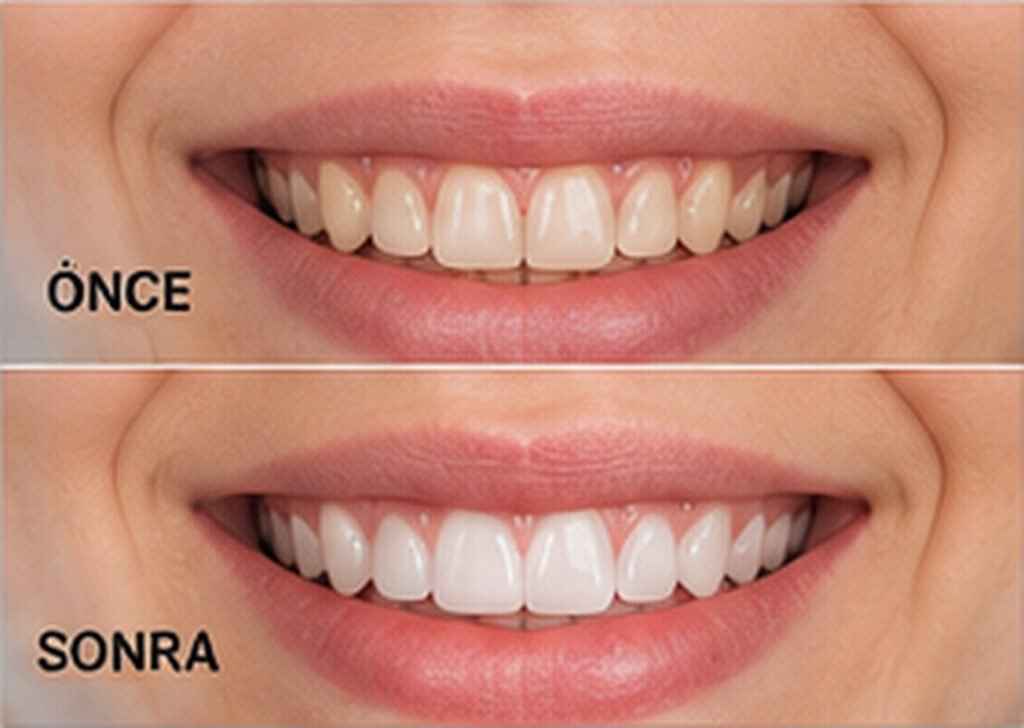
Minimal-prep aesthetic dentistry
Composite bonding and laminate veneers improve the colour, shape and alignment of your teeth with little or no tooth reduction. They are an excellent, conservative way to refresh your smile.
Bonding vs. laminate veneers
- Composite bonding — sculpted directly onto the tooth in a single visit
- Laminate veneers — thin porcelain shells for a durable, lifelike result
- Both correct chips, gaps, discoloration and minor misalignment
Planned around your face
We design your new smile digitally, considering your facial features and lip line, and share a written plan and pricing before treatment.
Composite bonding or laminate veneers?
Composite bonding shapes tooth-coloured material directly onto the tooth, often in a single appointment, and can be repaired when needed. Laminate veneers are thin porcelain shells produced in a laboratory and bonded to the tooth surface. Bonding is often considered for small chips, gaps and colour corrections, while veneers may be discussed where a more extensive change in shape and long-term colour stability is expected.
Durability and maintenance
With both options, keeping the margins clean is essential. Composite surfaces can pick up staining from coffee, tea and smoking over time, and can usually be polished at review appointments. Porcelain resists external staining better but may fracture under trauma or heavy force. A night guard may be recommended for patients who clench.
Assessment before treatment
Before any cosmetic work, decay, gum inflammation and bite relationships are assessed. If gum health is not adequate, that treatment comes first. Where teeth are markedly misaligned, an orthodontic assessment may allow a result with less tooth preparation.
For general oral health information, see the World Health Organization resources.
Frequently asked questions
How long does composite bonding last?
This depends on the material, the site, oral hygiene and habits. Marginal staining or small chips can usually be repaired and polished.
Are teeth reduced for laminate veneers?
It varies. Some cases need only minimal enamel preparation, while larger changes in shape or position require more.
Will I have sensitivity afterwards?
Short-term sensitivity to hot and cold can occur and usually settles. Persistent symptoms should be reviewed.
Can composite work be changed to porcelain later?
Yes, the plan can be revised when needed, with preserving tooth structure as the priority at every stage.
Is this suitable for everyone?
Active decay, untreated gum disease or significant bite problems need to be addressed first. Suitability is determined at examination.
You may also be interested in
Book Veneers & Composite Bonding
Contact us for a free assessment and written treatment plan at our our clinic in Çankaya, Ankara.