
Laminate veneers are thin porcelain layers applied to the front surface of the tooth. They may be considered to refine colour, shape and alignment. Suitability is determined by tooth structure and expectations.
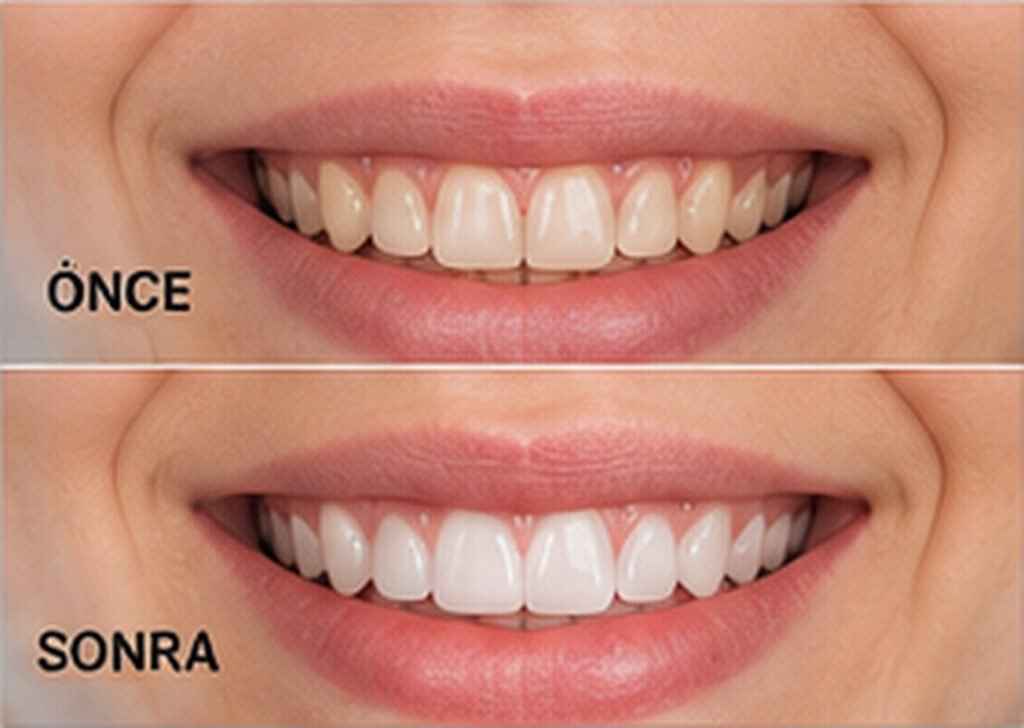
When are they considered?
They may come up in situations such as:
- Discoloration or colour mismatch
- Minor shape irregularities
- Small gaps between teeth
- A wish for aesthetic harmony
Application stages
The process generally involves:
- Examination, digital analysis and planning
- A preview (mock-up) where suitable
- Tooth-surface preparation and impression/scanning
- Preparation and placement of the veneers
Points to consider
Aftercare includes regular brushing and flossing, as with natural teeth. If you clench your teeth, the dentist may make a protective recommendation.
Frequently asked questions
Is the tooth reduced for a veneer?
Depending on the application, minimal preparation of the tooth surface may be needed; details are planned during the examination.
How long do they last?
It depends on care and habits; personal information is given during the examination.
Is everyone suitable?
They are considered for people with suitable tooth and gum health; the decision is made by examination.
Stages of a laminate veneer treatment
Treatment begins with examination and planning. In suitable cases a digital design and mock-up are prepared, after which minimal preparation of the tooth surface is carried out. An impression or scan is taken, the thin porcelain shells are produced in the laboratory, tried in and then bonded once the fit is confirmed.
- Examination, photographs and digital planning
- A mock-up where appropriate
- Minimal surface preparation and impression
- Try-in and bonding
When veneers may not be the first option
Active decay, untreated gum disease, heavy clenching or a significant bite discrepancy usually mean other treatment comes first. Addressing these issues protects both the teeth and the longevity of any aesthetic work.
Aftercare
Avoiding biting hard objects, breaking habits such as nail biting and wearing a night guard if one has been recommended all help protect the restorations. Daily brushing and interdental cleaning remain essential, particularly around the margins.
Frequently asked questions
Are veneers reversible?
Where enamel has been prepared, the change is not fully reversible, which is why conservative planning is emphasised.
How are chipped veneers managed?
Small chips can sometimes be polished or repaired; more extensive damage usually means the veneer is replaced.
For a comparison read composite bonding vs veneers, and see our composite bonding and veneers page. Further reading: World Health Organization oral health resources.
This article is for general information only and does not replace an examination, diagnosis or treatment by a dentist.
Geri bildirim: Composite Bonding vs Veneers | Dent Denge Ankara