
Orthodontic treatment aims to correct crowded, spaced or misaligned teeth and bite (jaw relationship) problems. In addition to aesthetics, it can contribute to long-term oral health.
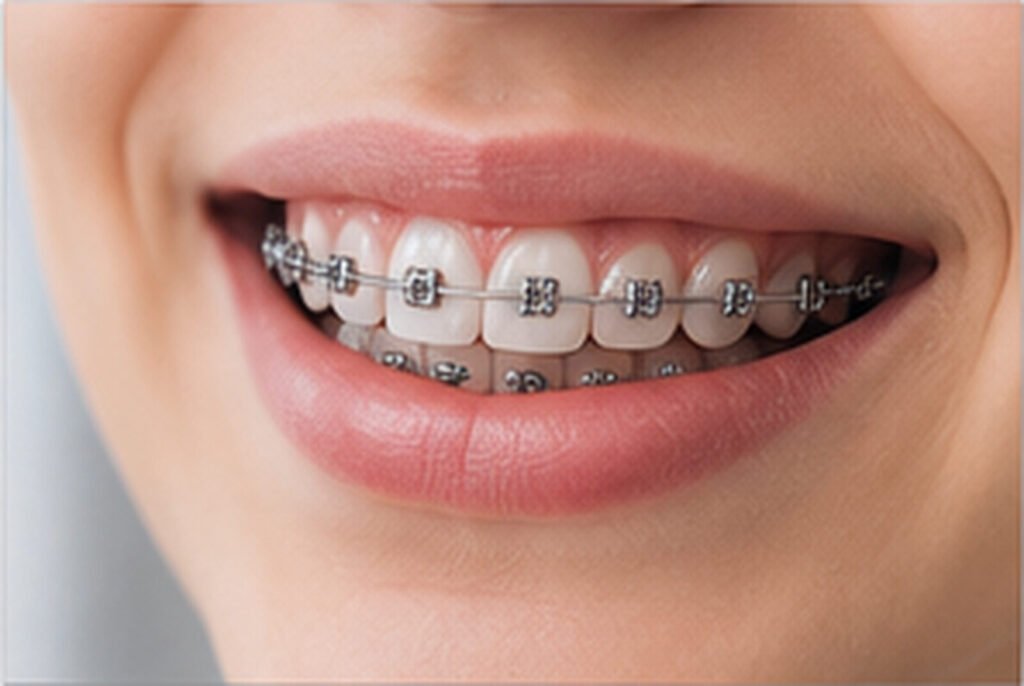
Treatment options
Two main approaches stand out:
- Clear aligners: removable and less noticeable options
- Fixed braces: usable across a wide range of cases
- Digital planning to increase predictability
When might it be needed?
It is considered for crowding, gaps between teeth and bite problems. The suitable method is determined by age and case.
Process and follow-up
After examination and assessment a treatment plan is prepared. Regular check-ups are carried out throughout. Treatment time varies from person to person.
Frequently asked questions
Is orthodontics only for children?
In suitable cases it can be considered for both adolescents and adults.
Clear aligners or braces?
The choice is made according to the type of case, expectations and the dentist’s assessment.
How long does treatment take?
The duration varies by case and is estimated after the examination.
Preparation before orthodontic treatment
Decay and gum problems are addressed before treatment starts. Photographs, radiographs and scans or models are taken so that the relationship between the teeth and jaws can be assessed. These records are used to build the plan and to follow progress throughout treatment.
- Intraoral and facial photographs
- Panoramic and, where indicated, cephalometric radiographs
- Digital scans or impressions
- Completion of any decay and gum treatment
Diet and hygiene during treatment
With fixed appliances, avoiding hard and sticky foods reduces the chance of brackets debonding. Brushing takes longer, and interdental brushes or a water flosser may be recommended. With clear aligners, wearing them for the recommended hours each day is what makes the outcome predictable.
The retention phase
When active treatment ends, retention begins. A fixed wire or a clear retainer helps hold the teeth in their new positions, and not following retention advice increases the risk of relapse.
Frequently asked questions
Can adults have orthodontic treatment?
Yes, where gum and bone health allow. Existing restorations and missing teeth are taken into account in the plan.
How often are appointments needed?
Reviews are usually planned every few weeks, depending on the appliance and stage of treatment.
See our orthodontics page and read clear aligner treatment for the removable option. Further reading: World Health Organization oral health resources.
This article is for general information only and does not replace an examination, diagnosis or treatment by a dentist.
Geri bildirim: Clear Aligner Treatment Explained | Dent Denge