Smile design is a comprehensive aesthetic dentistry approach that considers not only the teeth but also the gums, lip shape, facial lines and expressions. The aim is to bring together a healthy mouth and aesthetic expectations.
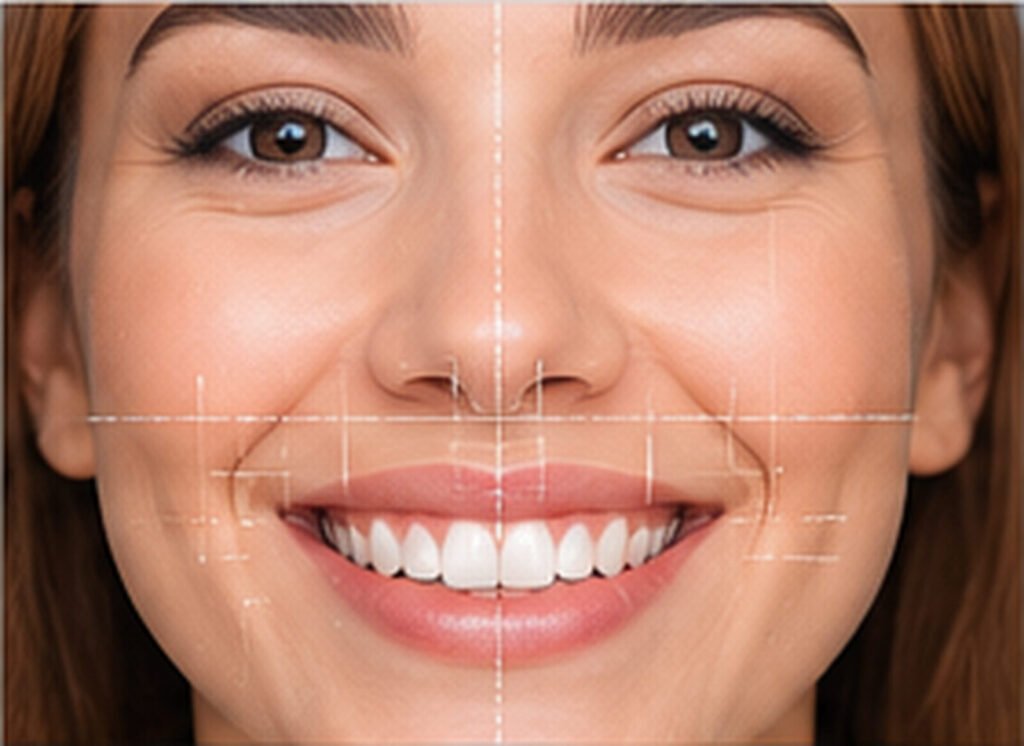
What is Digital Smile Design (DSD)?
In digital smile design, the possible outcome is planned on screen using intraoral scans and photographs. Where suitable, a preview (mock-up) can be prepared before treatment begins, so the plan is reviewed together with the patient.
What can it involve?
One or several procedures may be planned together, depending on the person:
- Teeth whitening
- Porcelain laminate or zirconia veneers
- Aesthetic composite applications
- Gum contouring
- Orthodontic treatment where needed
How does the process work?
It begins with examination and digital analysis, followed by planning, approval and application. Information is provided at each stage.
Frequently asked questions
Who is smile design suitable for?
It can be considered for people with suitable oral health and an aesthetic expectation. Suitability is determined by examination.
What is a mock-up for?
It increases the predictability of the plan and helps the patient and dentist decide together.
Are the procedures reversible?
Methods vary by person; some require minimal tooth-surface preparation. Details are explained during the examination.
Which records are taken for digital planning?
Smile design uses facial and intraoral photographs, video, an intraoral scan and, where needed, radiographs. These records allow tooth proportions, the midline, gum levels and lip movement to be assessed in a measurable way. The design produced from them becomes the reference point for deciding which treatments are used.
Reviewing the plan together
A digital design is a projection rather than a promise; it is adapted to the biological conditions in the mouth. In suitable cases a mock-up lets the proposed shape be tried in place, and your feedback at that stage can be reflected in the plan before any definitive work begins.
Managing expectations
Discussing openly which changes are possible and which are limited by the existing teeth, gums or bite helps the plan rest on realistic ground. Where expectations cannot be met with a conservative approach, the alternatives and their trade-offs are explained.
Frequently asked questions
Is digital planning necessary for every case?
Not always. For small corrections it may not be needed, while in comprehensive plans it helps with communication and predictability.
How long does the planning stage take?
Taking records and preparing the design usually involves a few appointments; treatment time then depends on the methods chosen.
See our smile design page for the treatment itself and smile design methods for the options available. Further reading: World Health Organization oral health resources.
This article is for general information only and does not replace an examination, diagnosis or treatment by a dentist.